
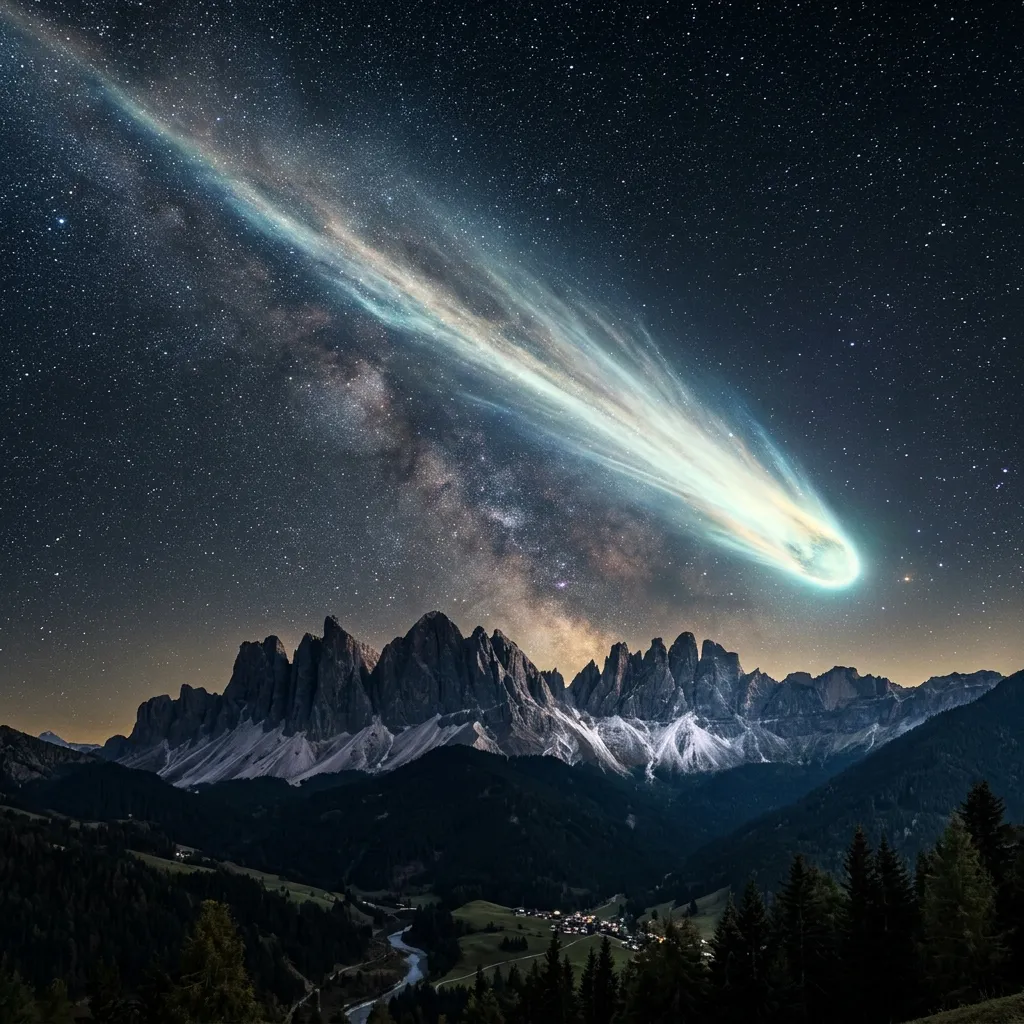
Dirty
snowballs.
Comets are leftovers from the birth of the Solar System — icy rocks that grow tails when they swing near the Sun. When Earth crosses their dusty trails, we get meteor showers.
Ice, dust, and two tails
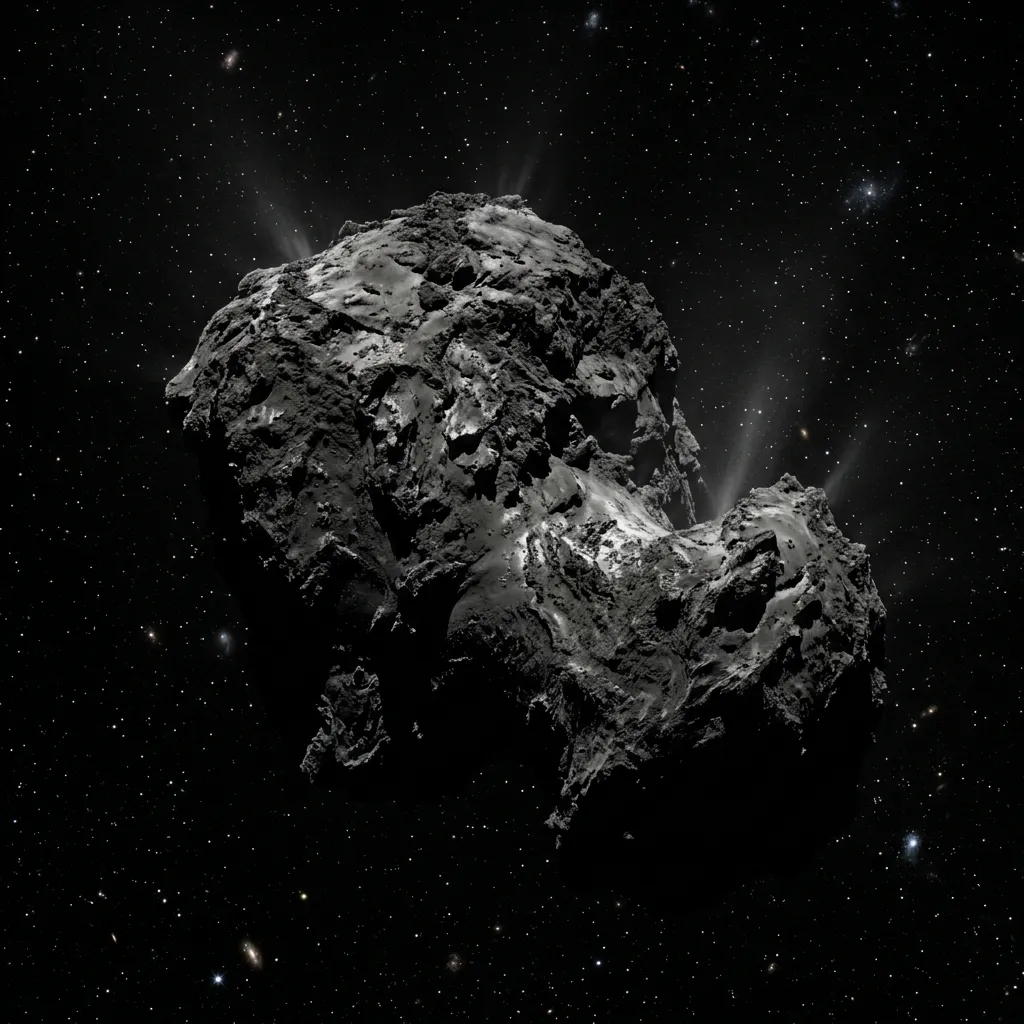
A comet's core — the nucleus — is typically only a few kilometres across. As it approaches the Sun, ices vaporise and release trapped dust, forming a fuzzy coma and two distinct tails.
Earth's dust-trail crossings
Every year Earth ploughs through the same debris streams left by specific comets and asteroids. Pick a shower to see when and where to watch.
- 160,000 MPHSpeed at which the Leonid meteors hit Earth's atmosphere.
- 3,000°FTemperature of the glowing air around a meteor as it vaporizes.
- 48 TonsEstimated amount of meteoritic material that falls on Earth every single day.
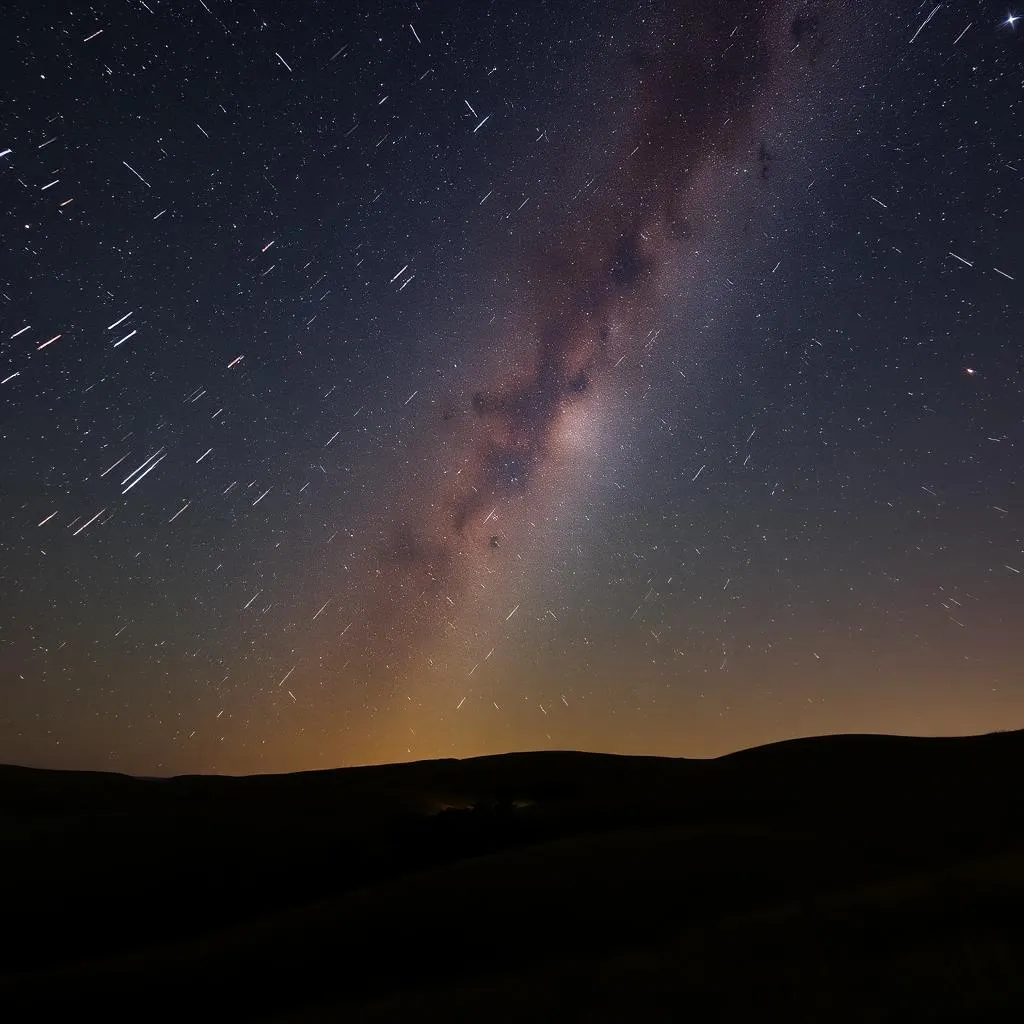
Perseids
Warm-weather favourite. Fast, bright meteors with many colourful trails.
Comet Swift-Tuttle
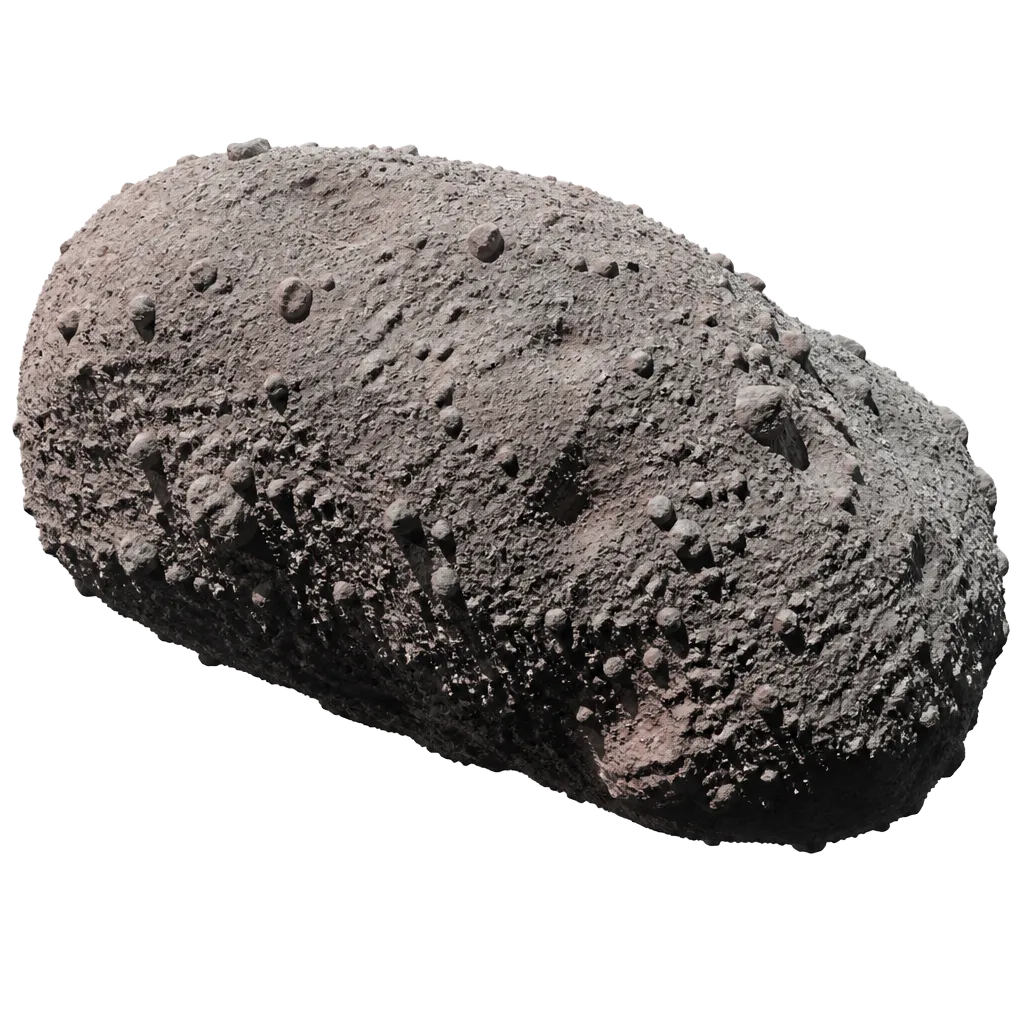
Meteoroid, meteor, meteorite
The three words sound alike but describe three different stages of the same event — a rock's journey from space to your backyard.
Famous visitors
1P/Halley
The first comet recognised as periodic. Next return: 2061.
C/1995 O1 Hale-Bopp
Visible to the naked eye for 18 months — the longest of any recorded comet.
C/2020 F3 NEOWISE
First bright naked-eye comet of the northern hemisphere in 25 years.
67P/Churyumov-Gerasimenko
Visited and orbited by ESA's Rosetta mission — the first comet ever landed on.
Ready to look up?
Meteor showers are the easiest astronomy event to watch — no telescope, no app, just a dark sky and a bit of patience. Find tonight's sky first.